
Maximizing Energy Efficiency: The Importance of Garage Door Insulation
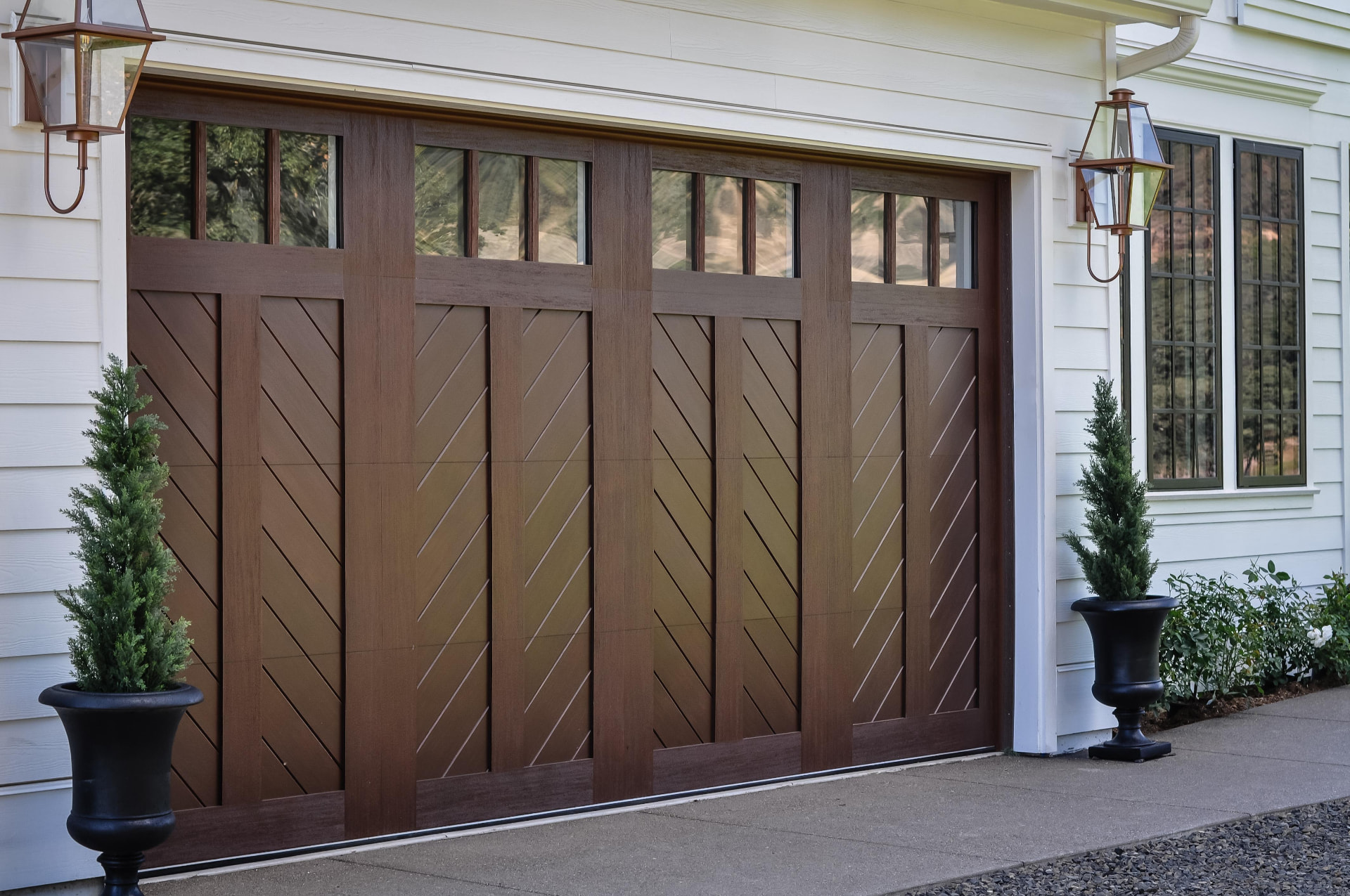
Why an uninsulated garage door is quietly driving up your energy bill, what your options are, and when it's worth calling a pro instead of doing it yourself.
Why Sacramento Garages Need Insulation
Central Valley summers regularly push past 100°F, and winter mornings drop into the 30s. On most homes the garage door is the single largest uninsulated opening in the entire building envelope — a 16-foot span of thin steel facing the sun for half the day.
In an attached garage that heat and cold move straight into the rooms next door: the bedroom over the garage, the laundry room, the hallway wall. Your HVAC system runs longer to make up for it, month after month. Insulating the door is the cheapest way to shrink that gap without touching the rest of the house.
Reasons for Insulating Your Garage Door
Insulation pays back in more than one way. Here is what Sacramento homeowners actually notice after the upgrade:
- Lower energy bills — less heat transfer into the garage and the rooms attached to it, so the AC and furnace cycle less.
- A garage you can use year-round as a workshop, gym or storage for temperature-sensitive items like paint and tools.
- Noise reduction, both from street noise outside and from the door itself as it travels.
- Added durability — insulated doors are thicker multi-layer steel and resist denting far better than a single-layer door.
- Better resale value and curb appeal, since an updated insulated door is one of the highest-return exterior upgrades on a home.
Types of Insulation Materials
There are two materials homeowners will run into, and the difference matters more than the marketing suggests.
Polystyrene (rigid foam board)
- The more affordable option, with R-values roughly in the R-6 to R-9 range.
- Comes as rigid panels sandwiched between steel layers from the factory, or added later as a retrofit kit — this is the material almost every DIY kit uses.
Polyurethane (foamed-in-place)
- Starts as a liquid and expands to completely fill the panel cavity, with R-values roughly R-10 to R-19.
- Bonds to both steel skins, which makes the door stronger, quieter and more rigid — this is what most new insulated doors from major manufacturers use.
How Much R-Value Do You Actually Need?
R-value has diminishing returns. Going from R-9 to R-18 does not cut heat loss in half — the gain flattens out quickly. Match the insulation level to how the garage is really used: a detached storage garage does not need the same door as a converted gym or a bedroom sitting directly above the garage ceiling.
DIY Garage Door Insulation Installation
A retrofit kit is a realistic weekend project for a handy homeowner. Kits use polystyrene panels or reflective foam board sized to fit between the horizontal ribs of most steel door panels.
The basic process
- Measure each door panel section individually — they are rarely all identical.
- Cut the insulation panels to fit inside the frame of each section.
- Fit the panel into the cavity between the ribs.
- Secure it with the retaining pins, clips or adhesive included in the kit, then repeat panel by panel.
The catch nobody mentions on the box
- Insulation adds real weight — often 15 to 30 pounds across a double door.
- Your springs were sized for the door's original uninsulated weight, so after a retrofit the door is out of balance.
- An out-of-balance door makes the opener strain, drift or slam, and shortens the life of both the opener and the springs unless the spring tension is adjusted to match.
Benefits of Using a Professional
- A pro rebalances spring tension for the door's new insulated weight, so the opener isn't straining and the door doesn't slam or drift.
- A full insulated replacement door gets a factory-sealed, foamed-in-place panel with a finished interior skin instead of visible foam board.
- The right product is matched to your door size, R-value goal and budget — with labor and balance work covered under warranty.
- One visit covers the insulation upgrade plus a full safety and hardware inspection, so nothing else on the door gets missed.
Maintaining Insulation Effectiveness
Insulation only performs if the door seals. A few things to keep an eye on:
- Keep the weatherstripping along the sides, top and bottom in good shape — insulation inside the panel does nothing if air leaks around the edges.
- Check the bottom seal every season; it's the piece most likely to flatten, crack or let daylight through.
- Keep the door balanced. An out-of-balance door strains the opener and stresses the panel bond over time.
- Inspect panels annually for dents and cracks, since damage to the steel skin compromises the insulation behind it.
Insulated Garage Doors We Install — By Brand
We install and service insulated doors from every major manufacturer sold in the Sacramento Valley.
- Clopay — a wide range of insulated steel and composite doors across multiple R-value tiers, with strong warranty options.
- C.H.I. (CHI) — steel and composite insulated doors known for durability and consistent panel construction.
- Wayne Dalton — insulated steel and carriage-house style doors, including options that pair with their proprietary TorqMaster spring system.
- Amarr — a broad lineup of insulated residential doors with multiple design and insulation tiers.
- AlumaDoors — aluminum and glass insulated options for a more modern architectural look.
More Garage Door Resources
Whatever brand you choose, A&M installs and services all of them across the Sacramento Valley — with the spring system sized correctly to the new door's insulated weight on every single install. If you're weighing an insulation upgrade, these guides cover the rest of the picture.
Talk to a local technician
Free estimates and upfront pricing on garage door and gate repair anywhere in Greater Sacramento — 24 hours a day.